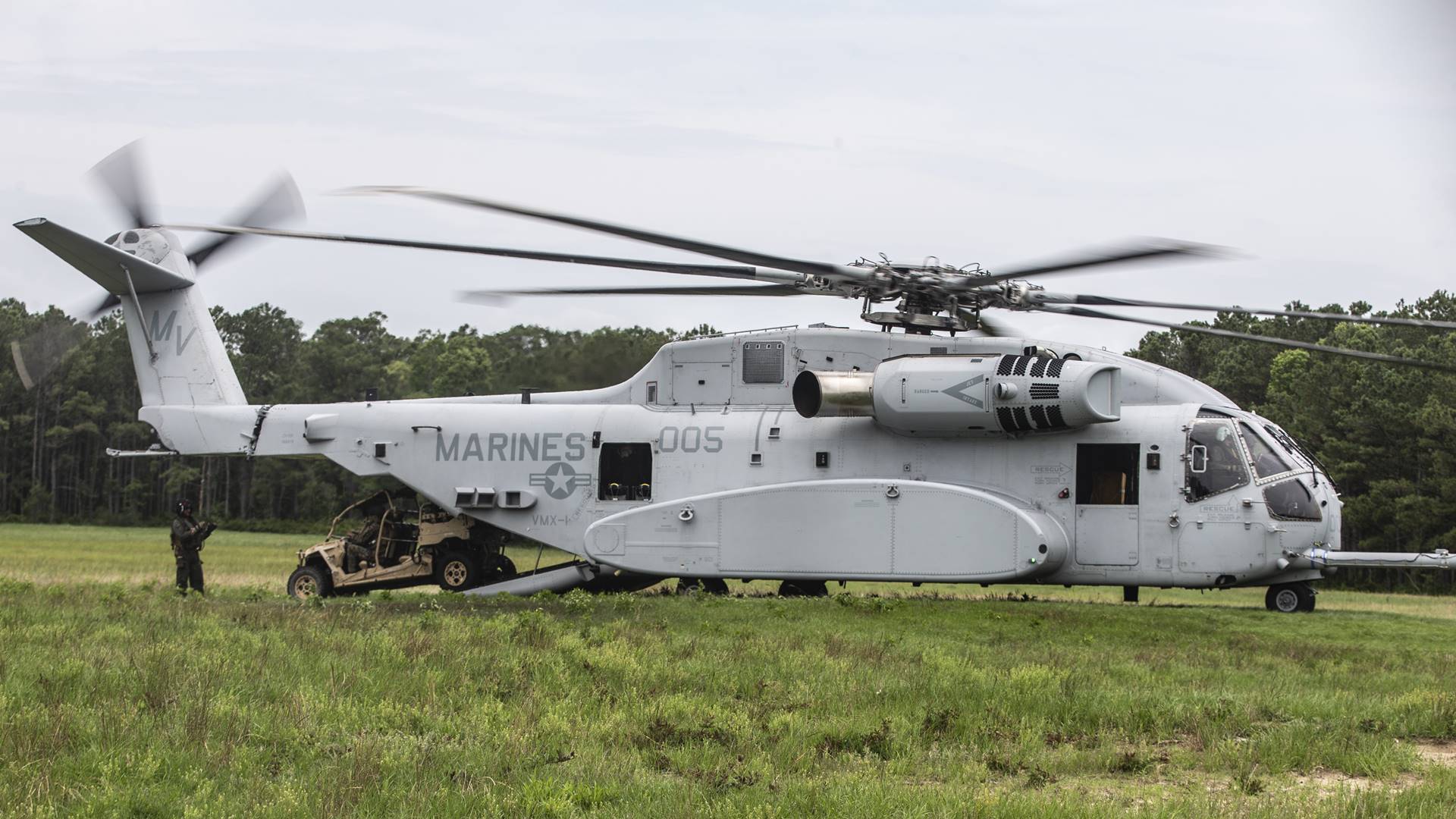
The CMV-22B Osprey is a tiltrotor aircraft developed by Bell Textron and Boeing for the United States Navy. It is designed to perform the roles of both a helicopter and an airplane, allowing it to take off and land vertically like a helicopter and fly efficiently like an airplane. The aircraft is primarily used for the transportation of personnel and cargo, and is also equipped with a refueling capability to support other aircraft. The CMV-22B is the variant used by the United States Navy, which is an upgraded version of the MV-22B used by the United States Marine Corps.
The CMV-22B Osprey is primarily used by the United States Navy for the transportation of personnel and cargo. Some of its key operational roles include:
-
Carrier Onboard Delivery (COD): The CMV-22B is used to transport personnel, mail, and cargo from shore bases to aircraft carriers at sea.
-
Special Operations: The aircraft is equipped to support special operations forces, including the transportation of troops and equipment.
-
Search and Rescue: The CMV-22B can be used to perform search and rescue operations, both at sea and over land.
-
Aerial Refueling: The CMV-22B is equipped to refuel other aircraft in flight, extending the range of aircraft operations.
-
Humanitarian Relief: The aircraft can be used in disaster relief and humanitarian aid operations, to transport food, medicine, and other supplies to affected areas.
It’s been operational since 2020 and been used to support a variety of Navy missions and operations.
The CMV-22B is a variant of the V-22 Osprey aircraft that is used by the United States Navy for logistics and special operations missions. The Osprey is a tiltrotor aircraft that is capable of vertical takeoff and landing (VTOL) like a helicopter, but also has the ability to fly like a fixed-wing aircraft.
The V-22 program began in the 1980s as a joint venture between Bell Helicopter and Boeing. The Osprey was designed to meet the needs of the United States Marine Corps and Air Force for a aircraft that could perform the duties of both a helicopter and a fixed-wing aircraft. The first flight of the V-22 prototype was in 1989 and the aircraft entered into service with the Marine Corps in 2007.
The CMV-22B variant is specifically designed for the United States Navy and is used to transport personnel and cargo to and from aircraft carrier. The CMV-22B has a larger fuel capacity than the MV-22B used by the Marines and a different communication and navigation suite.
Specifications
Here are some of the key specifications of the aircraft:
-
Length: 57.2 ft (17.4 m)
-
Wingspan: 84 ft (25.6 m)
-
Height: 22.6 ft (6.9 m)
-
Maximum takeoff weight: 52,800 lb (23,950 kg)
-
Speed: 300 mph (480 km/h)
-
Range: 1,150 mi (1,850 km)
-
Service ceiling: 25,000 ft (7,620 m)
-
Crew: 3 (pilot, co-pilot, and crew chief)
-
Passengers: 24
-
Powerplant: 2 × Rolls-Royce AE 1107C-Liberty turboshaft engines, 6,150 shp (4,590 kW) each
-
Avionics: Glass cockpit, Automatic flight control system, and Navigation system.
-
Armament: None, but can be fitted with defensive systems and weapons.
The CMV-22B features a high-tech avionics suite, including a glass cockpit, and advanced navigation and communication systems. The aircraft also has a large cargo capacity, with the ability to carry up to 6,000 pounds of cargo internally and an additional 8,000 pounds on an external sling.
The CMV-22B Osprey is primarily used by the United States Navy for the transportation of personnel and cargo. Some of its key operational roles include:
-
Carrier Onboard Delivery (COD): The CMV-22B is used to transport personnel, mail, and cargo from shore bases to aircraft carriers at sea.
-
Special Operations: The aircraft is equipped to support special operations forces, including the transportation of troops and equipment.
-
Search and Rescue: The CMV-22B can be used to perform search and rescue operations, both at sea and over land.
-
Aerial Refueling: The CMV-22B is equipped to refuel other aircraft in flight, extending the range of aircraft operations.
-
Humanitarian Relief: The aircraft can be used in disaster relief and humanitarian aid operations, to transport food, medicine, and other supplies to affected areas.
It’s been operational since 2020 and been used to support a variety of Navy missions and operations.