
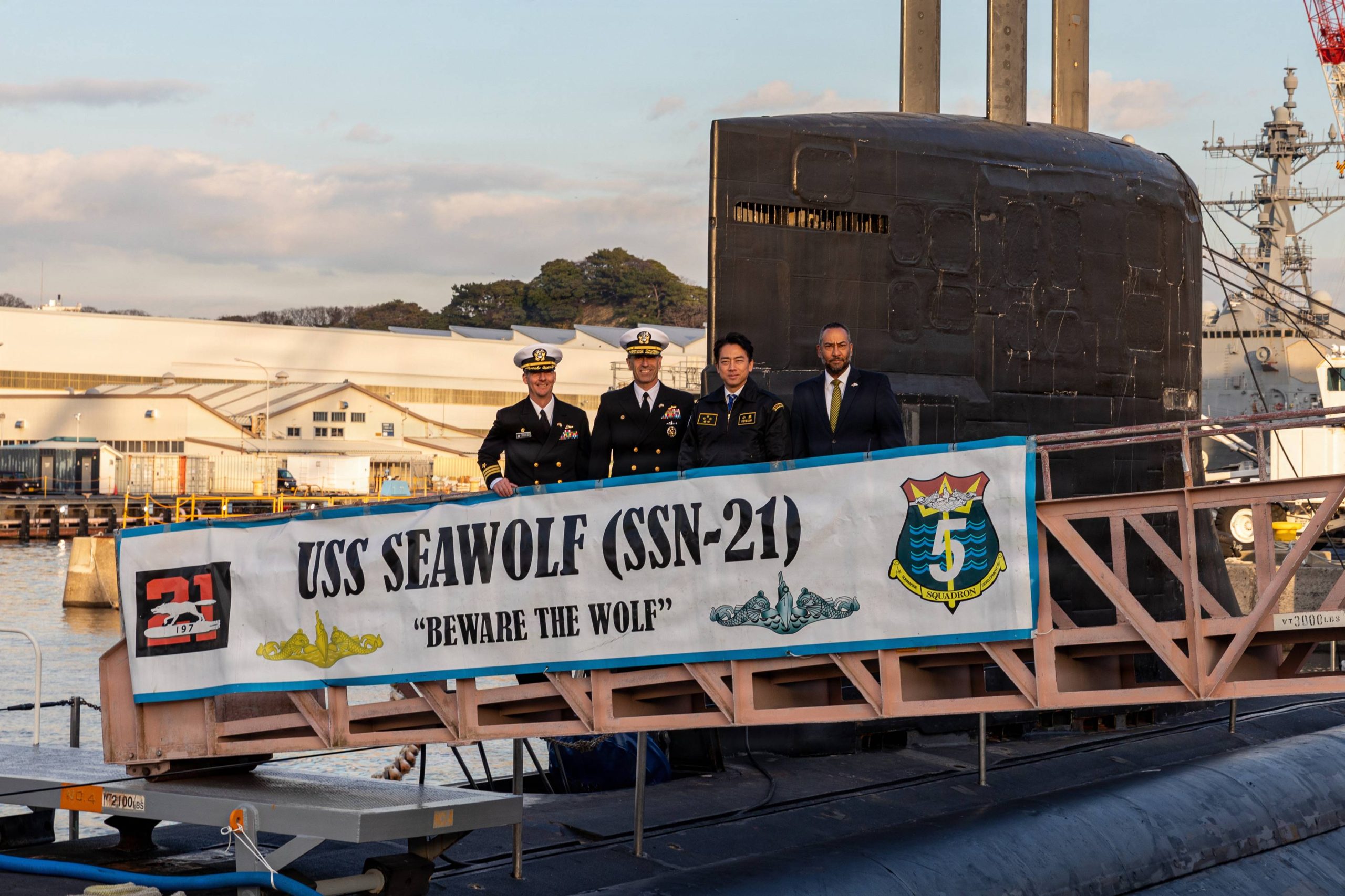

The Seawolf-class submarines were designed to operate independently against the world’s most advanced submarine and surface threats. Their primary mission was to track and destroy Soviet ballistic missile submarines before they could launch attacks against American targets.
Developed as the successor to the Los Angeles-class attack submarines, the Seawolf class was built to maintain America’s dominance beneath the waves. These nuclear-powered fast attack submarines are widely regarded as the pinnacle of submarine design. Although only a small number were built, they remain among the most capable submarines ever constructed.
In many respects, the Seawolf class is the F-22 Raptor of submarines—widely considered the best of the best.
Simply put, the Seawolf-class may have been the world’s best, but excellence came at a price. Costing around $3–3.5 billion per submarine, it was simply too expensive for mass production. As the Cold War ended and geopolitical priorities shifted, the U.S. Navy decided it no longer needed a fleet of ultra-premium submarine hunters.
SILENT SERVICE
The U.S. Navy rarely talks about its submarines. After all, a submarine’s greatest advantage is its stealth. And among the Navy’s fleet of roughly 70 submarines, the Seawolf and her two sister ships—USS Connecticut and USS Jimmy Carter—are among the most secretive.
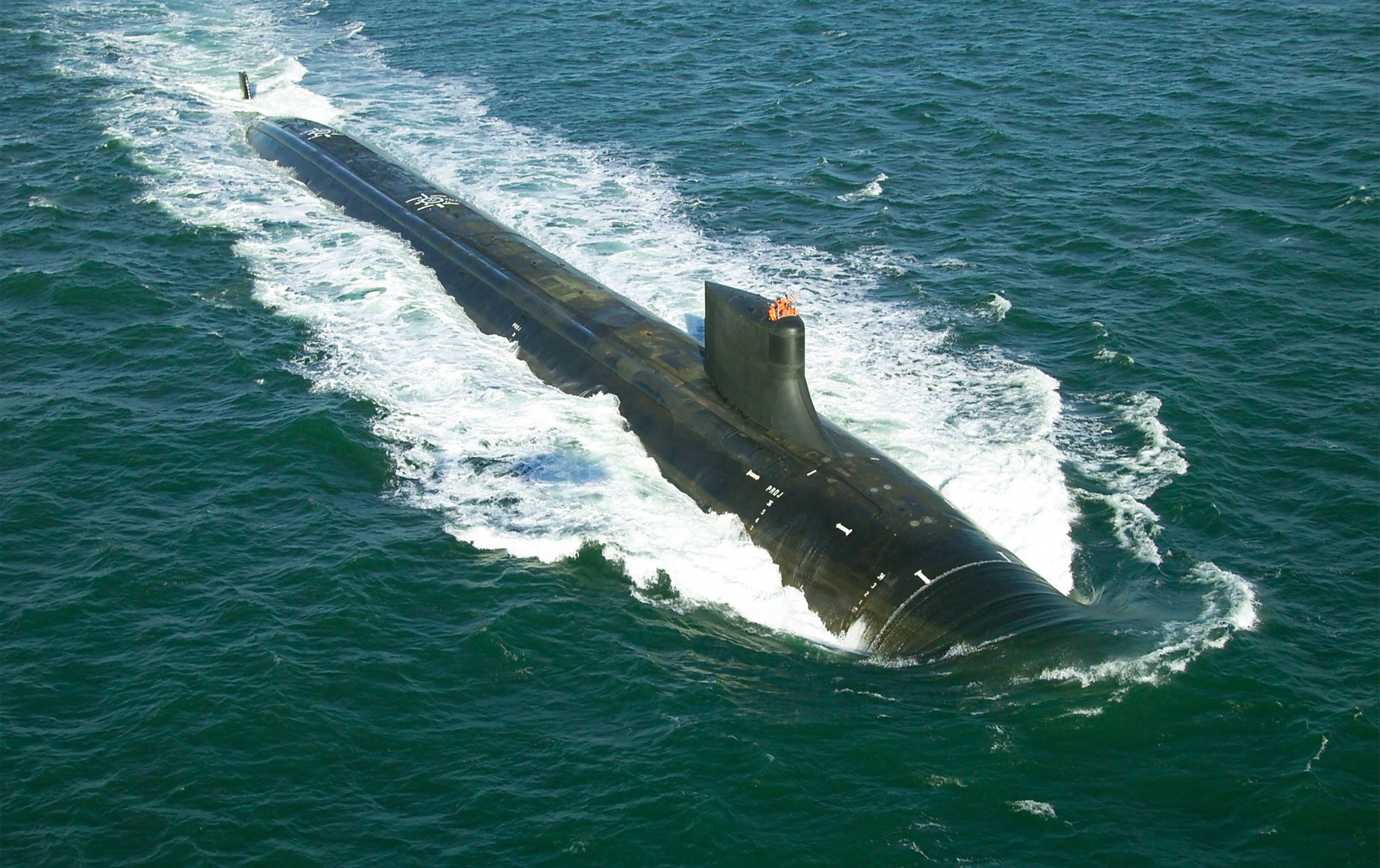
These boats often deploy for months at a time with little or no public notice. One Seawolf sailor’s wife once described life aboard the submarine as “unpredictable,” reflecting the highly classified nature of its operations.
A steady stream of Navy commendations offers rare clues about the submarine’s activities. In 2007, Seawolf’s 140-member crew received a Meritorious Unit Commendation, an award roughly comparable to a Bronze Star earned in combat. Two years later, the crew earned a Navy Unit Commendation, an honor often compared to a Silver Star at the unit level.
We know what the U.S. submarine force does: gathering intelligence, launching cruise missile strikes, inserting special operations forces, and conducting covert surveillance missions around the globe. What remains unknown is which of these operations can be attributed to Seawolf herself.
Nor do we know exactly where Seawolf carries out her shadowy missions. Although she is normally assigned to the Pacific Fleet, her true operating areas remain closely guarded secrets, known only to a select few within the Navy.
A Class All To Itself
When the Seawolf-class program began in the mid-1980s, it represented the first completely new American attack submarine design in nearly two decades. It was conceived as the ultimate hunter-killer submarine, built to dominate the underwater battlespace during the final years of the Cold War.
The lead boat, USS Seawolf, was laid down in 1989. By 1991, projected costs for the class had climbed to approximately $33.6 billion, accounting for nearly 25 percent of the Navy’s shipbuilding budget.
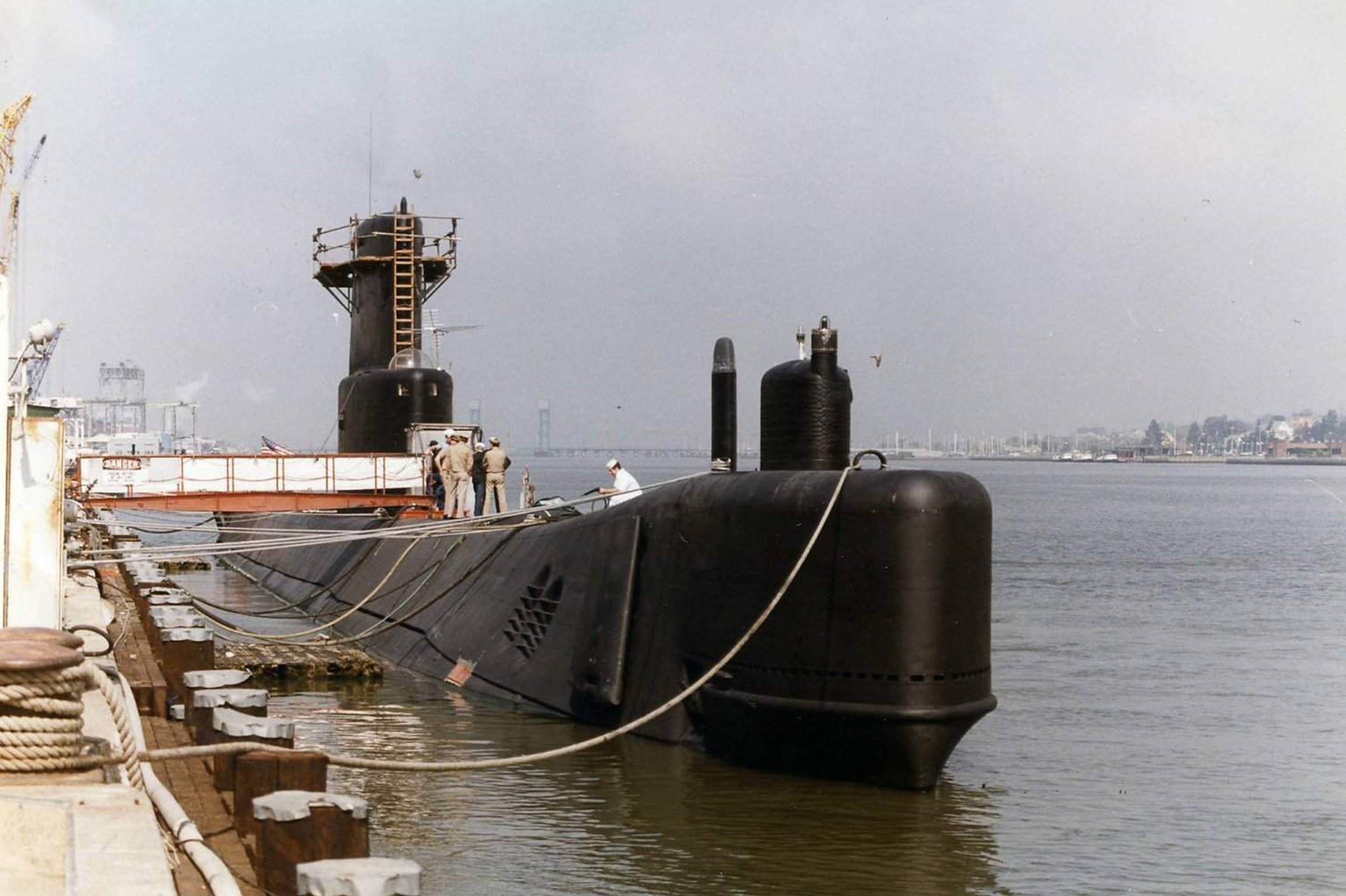
The Seawolf featured a modular design that allowed for future upgrades, including advanced weapons and improved sonar systems, making it remarkably future-proof for its era. It was capable of speeds exceeding 35 knots submerged, while maintaining an exceptionally quiet cruising speed of around 20 knots.
Although the Seawolf carried no external weapons, it packed formidable firepower. The submarine was equipped with eight torpedo tubes—twice as many as the Los Angeles class—and a double-deck torpedo room that enabled the simultaneous engagement of multiple targets. Its weapons capacity was increased by roughly 30 percent, allowing it to carry up to 50 weapons, including Mark 48 heavyweight torpedoes, Sub-Harpoon anti-ship missiles, and Tomahawk land-attack cruise missiles.
The class also featured a reinforced sail that allowed operations beneath the polar ice cap and offered one of the highest submerged speeds of any U.S. submarine ever built. Just as important, the Seawolf was engineered with an intense focus on stealth. It was estimated to be up to 70 times quieter than early Los Angeles-class submarines and roughly 10 times quieter than the improved variants.
The Seawolf was specifically designed to counter the Soviet Navy’s formidable Akula-class submarines, which combined deep-diving capability with exceptional stealth. To detect and track these threats, the Seawolf was equipped with the powerful AN/BQQ-5D sonar suite, featuring bow-mounted active and passive arrays, wide-aperture flank arrays, and TB-16 and TB-29 towed arrays. These systems were designed for continuous upgrades, and the class has since received the Lockheed Martin AN/BQQ-10(V4) sonar processing system as part of the Acoustic Rapid Commercial-Off-The-Shelf Insertion program.
Ironically, the greatest threat to the Seawolf program was not the Soviet Navy, but the collapse of the Soviet Union itself. With the Cold War over and defense priorities shifting, the Navy could no longer justify the enormous cost of the program. As a result, only three Seawolf-class submarines were ultimately built. Yet despite their small numbers, they remain among the most capable attack submarines ever constructed and continue to serve as elite assets within the U.S. Navy’s submarine force.
Continuing Usefulness
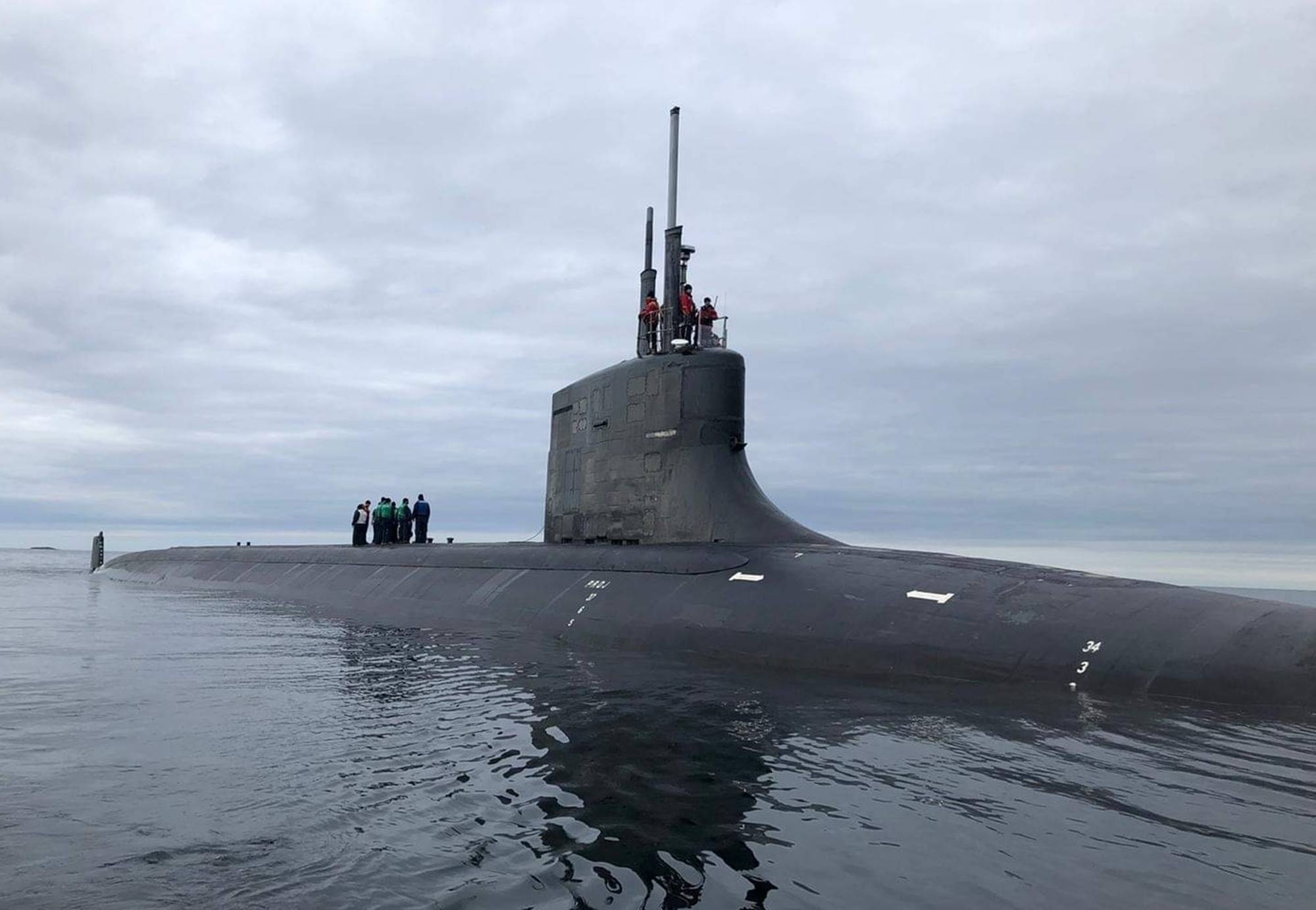
The lead Seawolf, aptly named the USS Seawolf, recently visited Norway and conducted a “brief stop for personnel” near Tromsø, in Norway’s far north. The USS Seawolf is part of the U.S. Navy’s 6th fleet, stationed in Naples, Italy, and its recent visit so close to Russian waters is significant.
“USS Seawolf’s deployment to provide persistent and clandestine undersea forces worldwide to execute our unique missions with unrivaled readiness,” said Vice Adm. DARYL CAUDLE, Commander, Submarine Forces. “Our undersea warriors are the best in the world in submarine warfare, and are equipped with unmatched capabilities designed to enhance our Navy, and multiply the Joint Force’s effectiveness in competition and conflict.”
“The arrival of Seawolf compliments our already robust undersea warfare capabilities and demonstrates our continued commitment to providing maritime security and deterrence throughout the region,” Navy Rear Admiral ANTHONY CARULLO, head of Submarine Group Eight, added. Carullo is also the commander of Task Force 69, U.S. 6th Fleet’s standing undersea warfare task force, to which Seawolf is presently assigned. U.S. 6th Fleet is responsible for overseeing all Navy activities in and around Europe and Africa.
Simultaneously with the USS Seawolf’s brief stop in Norwegian waters, six B-52 bombers flew near Tromsø on their way to England, accompanied by Norwegian F-16s. Although the Royal Norway Navy does not have any bases as far north as Tromsø, the Norwegian military is said to be negotiating with local Tromsø authorities to use the civilian port there for supporting nuclear-powered submarine operations. This would streamline resupply operations by allowing nuclear subs to dock in port, rather than being serviced away from shore by Norwegian naval vessels.
On August 21, 2020, the lead boat of the class, USS Seawolf, made a rare visit to northern Norway, conducting what the U.S. Navy described as a brief stop for personnel near Tromsø. The visit drew considerable attention due to Tromsø’s proximity to Russia’s strategically important Arctic waters.
At the time, USS Seawolf was operating under the command of the U.S. Navy’s 6th Fleet, headquartered in Naples, Italy. Her appearance so far north underscored America’s commitment to maintaining a strong undersea presence in the Arctic and North Atlantic regions.
“USS Seawolf’s deployment provides persistent and clandestine undersea forces worldwide to execute our unique missions with unrivaled readiness,” said Vice Admiral Daryl Caudle, Commander of Submarine Forces. “Our undersea warriors are the best in the world at submarine warfare and are equipped with unmatched capabilities designed to strengthen our Navy and multiply the Joint Force’s effectiveness in both competition and conflict.”
Rear Admiral Anthony Carullo, Commander of Submarine Group Eight and Task Force 69, echoed those remarks. “The arrival of Seawolf complements our already robust undersea warfare capabilities and demonstrates our continued commitment to providing maritime security and deterrence throughout the region,” he stated.
Task Force 69 serves as the U.S. 6th Fleet’s dedicated undersea warfare command, while the 6th Fleet itself oversees naval operations across Europe and Africa.
Coinciding with Seawolf’s stop in Norway, six U.S. Air Force B-52 Stratofortress bombers flew near Tromsø en route to the United Kingdom, escorted by Norwegian F-16 fighter jets. The simultaneous presence of strategic bombers and one of America’s most capable submarines highlighted the growing importance of the Arctic as an arena of strategic competition.
Although the Royal Norwegian Navy does not maintain a major naval base in Tromsø, Norwegian authorities have explored the possibility of supporting visiting nuclear-powered submarines through the city’s civilian port facilities. Such an arrangement would simplify logistics and resupply operations by allowing submarines to dock directly at port rather than relying solely on support vessels operating offshore.
Chilly Reception
Arctic operations were nothing new for the Seawolf-class fast-attack submarine USS Connecticut. The submarine had previously participated in Ice Exercise 2018, part of the U.S. Navy’s biennial Arctic training event designed to prepare submarine crews for operations beneath the polar ice cap.
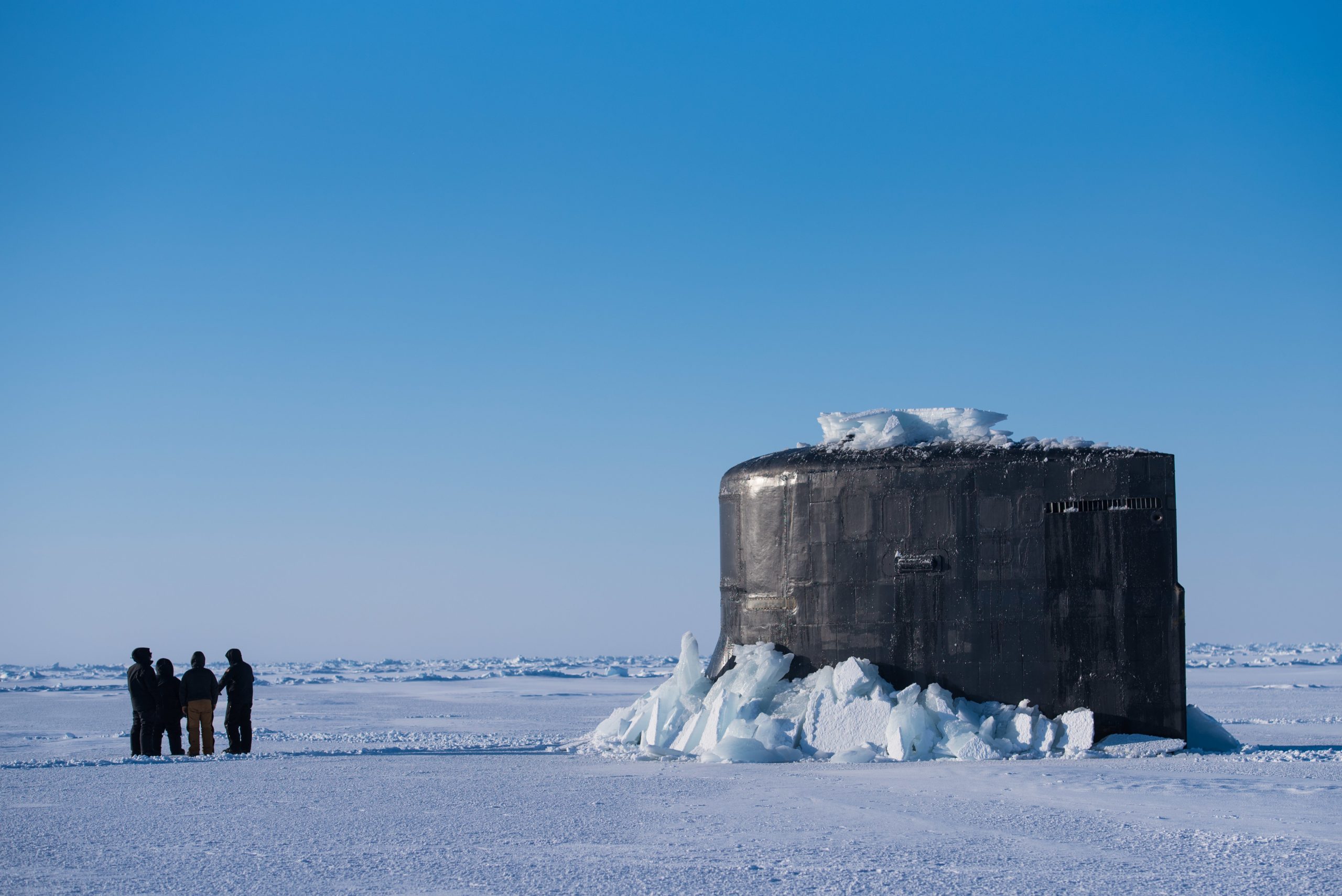
The 2018 exercise took place just weeks after the U.S. Department of Defense released its National Defense Strategy, which identified renewed long-term strategic competition with so-called “revisionist powers”—primarily China and Russia—as the central challenge to American national security.
“The Arctic is a potential strategic corridor between the Indo-Pacific, Europe, and the U.S. homeland for expanded competition,” said Admiral Daryl Caudle. “The Submarine Force must maintain readiness by operating in Arctic conditions to ensure it can protect national security interests and maintain favorable balances of power in both the Indo-Pacific and Europe if called upon.”
So what was the Seawolf doing beneath the ice?
Most likely, it was doing exactly what the exercise was designed for: training to fight and operate in one of the world’s most challenging environments. Arctic deployments allow submarine crews to test their combat systems, navigation equipment, communications networks, and overall operational capabilities under extreme conditions that cannot be fully replicated elsewhere.
For submarine crews, the Arctic presents a unique set of challenges. Thick ice cover limits access to the surface, navigation is more complex, communications are restricted, and the harsh environment places additional demands on both sailors and equipment. Successfully operating in these conditions requires extensive training and experience.
The U.S. Navy’s submarine force has been conducting under-ice operations for more than 70 years. These missions support inter-fleet transit, operational training, routine patrols, and cooperative exercises with allied nations.
To date, the U.S. Submarine Force has completed approximately 100 Arctic exercises, demonstrating a long-standing commitment to maintaining a credible and capable undersea presence in one of the world’s most strategically important regions.